
Creating a family command center is a smart way to keep your household running smoothly. Whether you have a busy family with kids involved in multiple activities or want a central spot for important information, a command center can help everyone stay on the same page. This guide will walk you through the steps to set up a functional and stylish family command center that fits your home and lifestyle.
What Is a Family Command Center?
A family command center is a designated area in your home where you can organize schedules, mail, important documents, and reminders. It serves as a central hub for all household information, making it easy for every family member to stay informed about activities, chores, appointments, and more.
Benefits of a Family Command Center
– Keeps everyone’s schedules visible and accessible
– Reduces missed appointments and deadlines
– Organizes mail, keys, and school papers in one place
– Encourages family communication and participation
– Adds a functional and decorative element to your home
Choosing the Right Location
Start by selecting a convenient spot for your command center. Common locations include:
– Kitchen wall near the entrance
– Mudroom or entryway
– Home office or study area
– Hallway or nook
The spot should be easily accessible for all family members, especially kids if you want them to engage with it.
Essential Components of a Family Command Center
Your command center should be tailored to your family’s needs. Here are key elements to consider:
1. Calendar or Planner
A large calendar is essential for tracking appointments, school events, and activities. Choose between:
– Wall calendar
– Dry erase board
– Chalkboard calendar
– Printable calendars in frames
Make sure it’s large enough for multiple entries and easy to update.
2. Message Station
Incorporate a spot for leaving notes or reminders. Options include:
– Corkboard or bulletin board
– Whiteboard with markers
– Magnetic board for notes
This station helps family members communicate quickly and clearly.
3. Mail and Document Organizer
Use a set of wall pockets, bins, or trays to sort incoming mail, bills, school papers, and permission slips. Label each section to avoid clutter.
4. Key and Accessory Hooks
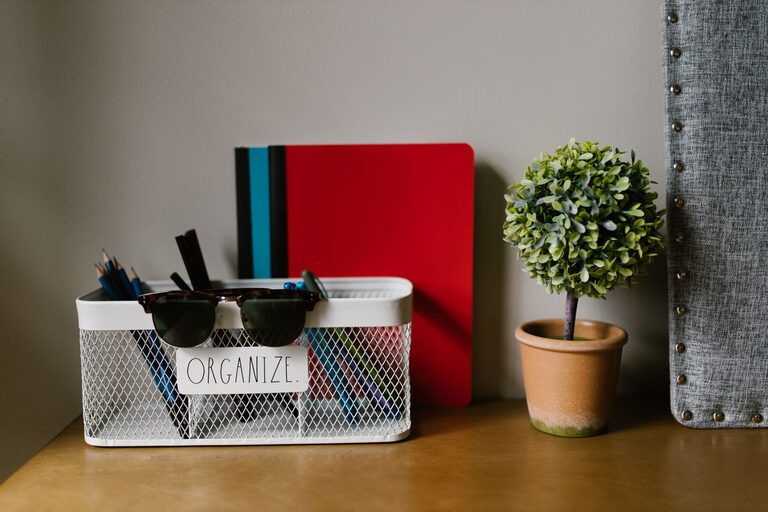
Adding hooks for keys, backpacks, and masks helps prevent misplacement. You may also include a small shelf or basket for sunglasses, wallets, or phones.
5. Charging Station (Optional)
If your family uses devices frequently, a charging station with outlets or USB ports keeps everything powered and tidy.
Gathering Supplies and Materials
Before assembling your command center, gather your materials. Here’s a basic shopping list:
– Calendar or dry erase board
– Corkboard, bulletin board, or magnetic board
– Wall-mounted file holders or baskets
– Hooks and small shelves
– Markers, pins, labels
– Frames or decorative elements
– Mounting hardware (nails, screws, adhesive strips)
Consider your home’s décor to choose matching colors and styles. Command centers can be minimalist and modern or colorful and playful depending on your preference.
Step-by-Step Setup Guide
Step 1: Clear and Prepare the Wall
Remove anything from the chosen wall and clean it thoroughly. Measure the available space so you can plan the layout.
Step 2: Plan Your Layout
Use painter’s tape or paper cutouts to mark where each item will go. This allows you to visualize how the command center will look and function.
Step 3: Install the Calendar and Boards
Mount your calendar and message boards securely on the wall, placing the calendar at eye level for easy reference.
Step 4: Add Mail Organizers and Hooks
Attach file holders and hooks below or beside the calendar. Make sure they are reachable for everyone who needs to use them.
Step 5: Personalize and Label
Label mail slots, hooks, and sections clearly. Add any decorative touches like photos, inspirational quotes, or family artwork to make the space welcoming.
Step 6: Stock Up and Start Using
Add pens, markers, pins, and other supplies. Encourage family members to use the center daily to keep schedules and tasks up to date.
Tips to Keep Your Command Center Effective
– Involve the Whole Family: Make sure everyone knows how to use the command center and encourage participation.
– Update Regularly: Clean up old notes, expired calendars, and completed papers often to avoid clutter.
– Make It Fun: Use colorful markers, stickers, or themes that reflect your family’s personality.
– Create a Routine: Check the command center together each morning or evening to review plans and reminders.
– Use Technology Wisely: Some families combine physical command centers with digital calendars or apps for added convenience.
Customizing Your Command Center
Your family’s needs will change over time, so leave room for flexibility. Some ideas for customization include:
– Adding a chore chart or reward system
– Including a meal planning section
– Creating a notebook spot for grocery lists or important contacts
– Incorporating a clock or weather station
– Using magnetic strips to hold pens or paperclips
Conclusion
Setting up a family command center is a practical way to enhance organization and communication at home. By selecting the right location, assembling essential components, and personalizing it to your family’s lifestyle, your command center will become an indispensable part of your daily routine.
With a little effort and creativity, you can create a space that keeps your family connected and your household running smoothly. Get started today and enjoy the benefits of a well-organized home!